What Does 0.4 mg THC per Container Actually Mean?
“0.4 mg THC per container” is a limit on the amount of THC in the entire finished package—not a limit of 0.4 mg per serving, gummy, or dropper. If a product contains several servings, the THC from all of them is added together. A container with ten gummies, for example, would need to stay within the applicable 0.4 mg total for the package, rather than allowing each gummy to contain 0.4 mg.
That distinction matters because a tiny number on a label can sound reassuring while leaving important questions unanswered: Which THC compounds count? Does the test include THCA? What exactly counts as a “container”? And does the number describe the product as sold, or a test result for an ingredient or batch?
Those questions are especially relevant as Congress and the White House have considered changes federal hemp definition total THC to the federal hemp definition. A per-container THC cap is not the same thing as the familiar 0.3% hemp threshold, and it is not a guarantee that every product labeled “hemp” is compliant. Here is how to understand the proposed or applicable limit, read a certificate of analysis (COA), and assess finished product compliance.
What “0.4 mg per container” means in practice
A milligram (mg) measures the weight of a substance. Under a 0.4 mg total THC limit, the relevant amount is the total THC in the whole package, expressed in milligrams. It is an absolute amount—not a percentage of the package’s weight.
Product example How to think about the cap One bottle with 30 servings Count the THC across the entire bottle, not just one serving. A pouch with 10 gummies Add the THC in all 10 gummies to get the package total. A multi-pack sold as one retail unit Check how the law and its implementing rules define the relevant container or package.The examples illustrate the arithmetic, not a legal conclusion about every package format. “Container” can have a specific meaning in a statute, regulation, or agency guidance. A bottle inside a box, a multi-pack, and a set of individually wrapped servings may be treated differently depending on the governing language. Do not assume that a brand’s choice of packaging decides the issue.
Also, 0.4 mg total in a package does not mean every serving contains 0.4 mg. If the package has multiple servings, the amount per serving is the package total divided among them. Nor does the number tell you how strong the product feels. Effects can vary with formulation, dose, route of use, and individual response.
Why a federal hemp-definition rewrite changes the conversation
For years, federal hemp law has centered on a threshold of no more than 0.3% delta-9 THC by dry weight. That percentage-based definition helped distinguish hemp from marijuana under federal law, but it did not answer every question consumers and regulators have about finished products. For example, a low percentage can still correspond to a meaningful amount of THC in a large product, and a delta-9-only test may not tell the whole story when THCA is present.
A federal hemp-definition rewrite that sets or incorporates a per-container limit changes the focus: instead of looking only at a concentration, regulators may also look at the total amount of THC in the finished package. If a 0.4 mg total THC limit applies to a particular product category, a product could meet the historic percentage threshold and still fail the per-container test. Conversely, the package limit does not erase other requirements concerning ingredients, testing, labeling, sales, or state law.
The details matter. A statutory amendment can define which products are covered, which cannabinoids count, how a container is measured, and when the change takes effect. Agencies may then issue implementation guidance or rules. States can also impose separate restrictions. Because proposals, enacted text, effective dates, and enforcement policies are not interchangeable, check the current law and rules for the product and location rather than relying on a headline that simply says “hemp ban.”
Total THC versus delta-9 THC
Delta-9 THC is the cannabinoid most consumers mean when they say “THC.” But a test that reports only delta-9 THC does not necessarily measure all THC that could matter for a total-THC standard.
Total THC generally accounts for delta-9 THC along with THCA, adjusted for the fact that THCA can convert into delta-9 THC when heated. A commonly used calculation is:
Total THC = delta-9 THC + (THCA × 0.877)
The 0.877 factor reflects the molecular-weight change associated with conversion. The exact method and regulatory definition should be confirmed for the law in question; a formula on a COA is not a substitute for checking whether the lab’s test and calculation match the applicable rule.
This distinction is important on labels. A product may show very little delta-9 THC while its THCA result is higher. If the relevant standard counts total THC, focusing on the delta-9 line alone can give a misleading picture. I always check the batch number and look for both results—or a clearly stated total THC calculation—before treating a label claim as meaningful.
THCA conversion and labeling: what to look for
THCA is a naturally occurring cannabinoid that can convert to delta-9 THC when exposed to heat. That does not mean a consumer should assume every THCA-containing product has the same potency or legal status. It does mean that a delta-9-only result may leave out information needed to evaluate a total-THC limit.
When reviewing a label and its supporting COA, ask:
- Does the report identify delta-9 THC and THCA separately?
- Does it state total THC, and explain or identify the calculation used?
- Are the results reported in a unit that can be compared with the claimed limit, such as milligrams per package?
- Does the COA identify the same product type and batch or lot number as the item in hand?
- Does the test cover the finished product, rather than only a hemp ingredient used to make it?
That last point is easy to miss. A raw ingredient can test within a threshold, but mixing, concentrating, or portioning it into a finished product can change the amount of THC in the final package. Finished product compliance depends on the product as sold and on the rules that apply to it—not just on a supplier’s ingredient report.
How to check the COA and QR code
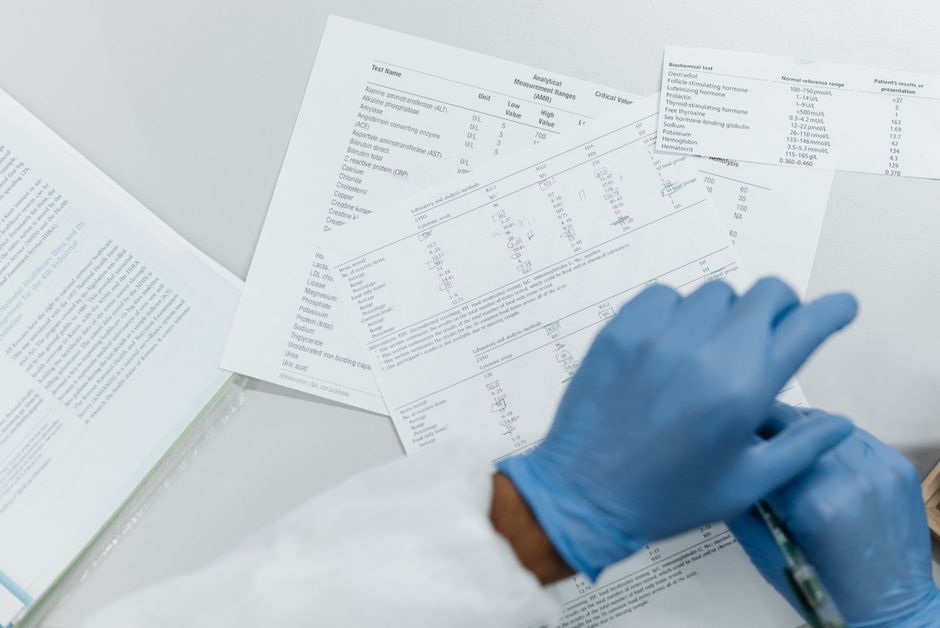
A QR code COA lookup can make testing information easier to find, but the code itself does not prove that a product complies. It should lead to a report that can be connected to the package you are holding. Scan it, then compare the report with the label.
- Match the batch or lot number. The number on the package should correspond to the number on the COA. A report for a different batch is not evidence about your product.
- Confirm the product identity. Check that the report describes the same formulation and product type, not merely a similarly named oil or an ingredient.
- Check the sample and test dates. Look for a clear date and a laboratory identity. Consider whether the sample was tested as a finished product and whether the report is relevant to the current package.
- Read the cannabinoid table closely. Look for delta-9 THC, THCA, and total THC where applicable. Note whether results are in percent, mg/g, mg per serving, or mg per container.
- Check what “not detected” means. A non-detect result does not necessarily mean absolute zero. It means the analyte was below a stated detection or reporting threshold for that method. A meaningful “THC-free” claim should not hide the test method or its limits.
- Review the full report. The cannabinoid panel is central to this question, but other testing may also be relevant to product quality and safety.
If the COA lists only a percentage, you may need the net contents or package weight to convert it into a total milligram amount. For example, the same THC percentage can represent different total amounts in differently sized packages. Ask the brand or retailer for the finished-product result in a unit that can be compared with the applicable per-container cap. Do not guess based on a serving size if the rule is package-based.
What brands and shoppers should avoid assuming
A brand name is not proof of compliance. Joy Organics, like any other company, should be evaluated product by product and batch by batch. Look for a current COA tied to the exact item and lot, clear THC reporting, and labeling that explains the amount per serving and per package where relevant. The same standard applies to national retailers, small hemp brands, and products sold online.
Be cautious of red-flag phrases such as “hemp-derived, so it’s legal everywhere,” “zero THC” with no test details, or “under 0.3%” offered as the only answer to a question about total THC per container. A percentage claim, a delta-9 result, and a per-container total are different pieces of information.
It is equally important not to confuse the legal limit with a health or dosing recommendation. A legal cap is a compliance threshold, not a statement that a product is appropriate for everyone. Consumers who need to avoid THC for medical, workplace, pregnancy, medication-interaction, or other reasons should not treat a low number—or a “THC-free” marketing claim—as a guarantee. Ask a qualified clinician when health decisions are involved.
A simple checklist for understanding the number
- Is 0.4 mg a limit for the whole retail container, or is the brand describing a serving?
- Does the applicable law cover this product category, and is the limit currently in effect?
- Does “total THC” include both delta-9 THC and THCA conversion under the relevant method?
- Does the COA report results for the finished product in a comparable unit?
- Does the COA batch number match the product in your hand?
- Do state or local rules add restrictions beyond federal requirements?
The bottom line
“0.4 mg THC per container” means the relevant THC amount is measured across the whole package, not just one serving. But the number is only useful when you know what compounds are included, how THCA is handled, what counts as a container, and whether the result comes from the finished product. The familiar 0.3% delta-9 threshold and a 0.4 mg total THC limit measure different things; one does not automatically answer the other.
As the federal hemp november 12 2026 hemp definition changes, do not rely on a product headline or a QR code alone. Check the current legal requirements, read the certificate of analysis, match its batch number to the package, and confirm that the report shows the relevant total in the right units. That is the practical way to assess a per-container THC cap and make a better-informed judgment about finished product compliance.